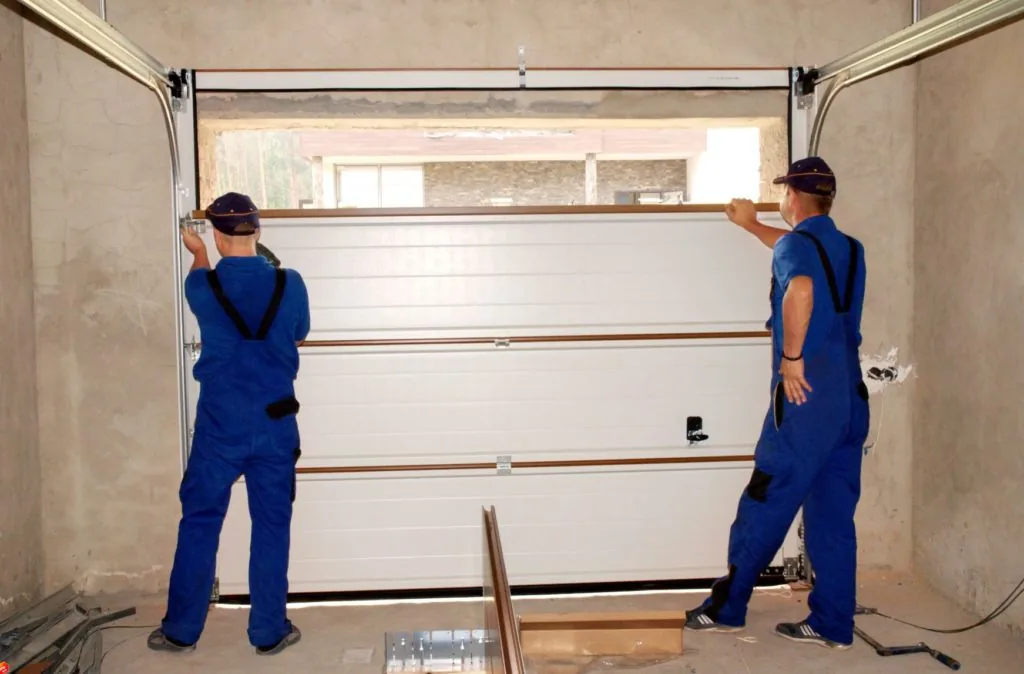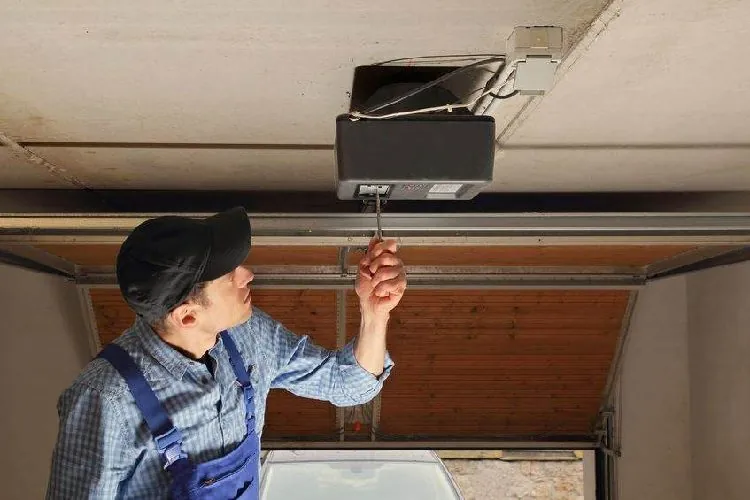
Your garage door is the largest moving object in most homes — often 150 pounds or more. Modern doors are very safe, but only if their safety features actually work. Here's what protects your family, and the two-minute test you should do every month.
The two systems that keep you safe
Photo-eye sensors
Since 1993, federal law has required garage door openers to have photo-eye sensors — two small units near the floor on each side. If anything breaks the invisible beam while the door is closing, the door stops and reverses. They're the main thing stopping a closing door from landing on a child, pet or car.
Auto-reverse (force) protection
If the door contacts an object on the way down, it should reverse on its own even without the beam. This is governed by the opener's force settings.
Test it every month — it takes two minutes
Lay a roll of paper towels (or a 2x4 laid flat) where the door closes and press the button. The door should reverse the instant it touches. Then, while the door is closing, wave your foot through the sensor beam — it should stop and reverse. If either test fails, stop using the opener and have it serviced.
Smart habits for families
- Mount the wall button high — at least 5 feet up, out of kids' reach — and keep remotes out of little hands.
- Never walk or drive under a moving door. Wait until it's fully open.
- Teach kids the door isn't a toy — no racing under it, no riding it up.
- Know your manual release (the red cord) for power outages — but only pull it when the door is closed.
- Keep fingers clear of the section joints. Pinch-resistant panels help, but teach kids to keep hands off.
When to call a pro
If your auto-reverse or sensors fail the monthly test, don't keep using the door — misaligned sensors and wrong force settings are exactly what a safety tune-up checks and corrects. We also test these on every opener repair.
Not sure your safety features work?
We'll test and adjust the sensors, auto-reverse and balance — same-day across Philadelphia and South Jersey.
Call (215) 383-0399